If You Want Me to Pay My Taxes 
Americans tend to imagine that aversion to taxation is deeply rooted in our national political culture. Not so fast, Vanessa S. Williamson argues in her new book, The Price of Democracy.
Americans tend to imagine that aversion to taxation is deeply rooted in our national political culture. Not so fast, Vanessa S. Williamson argues in her new book, The Price of Democracy.
The scale and depth of the attack on our institutions means that there is no simple way for a pro-democracy coalition to flip the lights back on after Trump. We need transformative thinking.
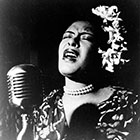
The African American perfectionists offered “faith” instead of “hope”—emphasizing the struggle to realize a vision of justice rather than passive assurance that it would prevail.

The politics of the 2010s and 2020s are about who the people are and what it means for them to matter.

Jamelle Bouie returns to the show to discuss the rise of rhetoric—not only but especially from the right—about a “second Civil War” in the United States.

Since the end of the Confederacy, the cult of the “taxpayer” has provided a socially acceptable veneer for racist attacks on democracy.

The rioters at the Capitol are part of an unbroken American tradition. Sweet talk about our “better angels” did not defeat them before and will not now.

The ratification of the Fourteenth Amendment marked a turning point in U.S. history. Yet 150 years later, its promises remain unfulfilled.

Tim Shenk talked with Kwame Anthony Appiah, author of Lines of Descent: W.E.B. Du Bois and the Emergence of Identity, about how Du Bois’s experiences as a black American shaped his theories of race, and how his theories relate to politics then and now.