The Cuban Exodus
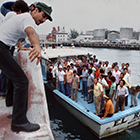
So long as Cubans’ rage and despair remain, the government cannot afford to curtail emigration. And there is no end in sight.
So long as Cubans’ rage and despair remain, the government cannot afford to curtail emigration. And there is no end in sight.

The July 11 protests fused economic and political grievances. A struggle is taking place in Cuba over what happens next.
If the Cuban government focuses solely on economic reforms and limits political reform to cosmetic or ineffectual changes, it will be like cast iron: hard but brittle.

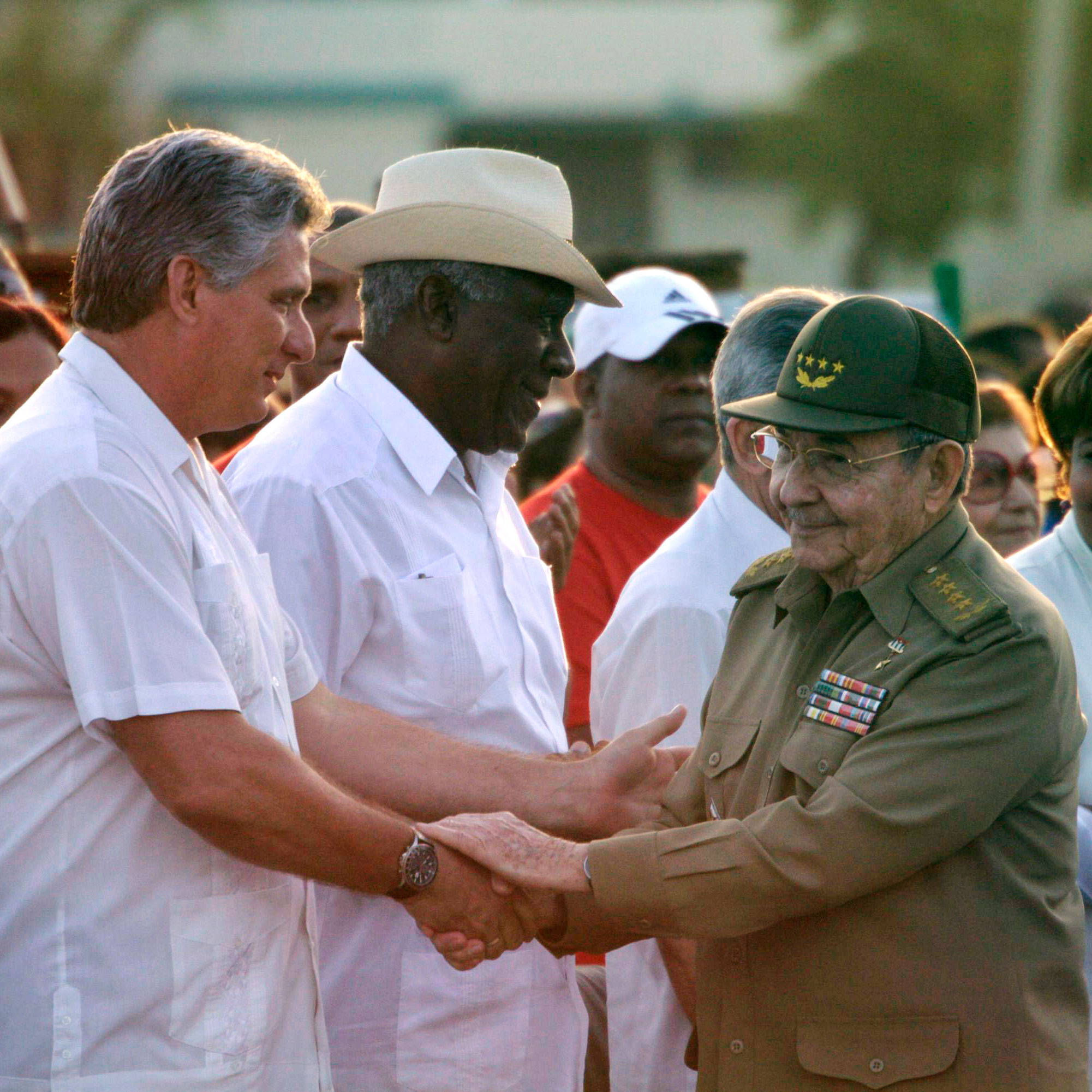
As the country prepares for a historic presidential succession, ending the Castros’ nearly sixty-year grip on the highest office, inequality is growing and ordinary Cubans are increasingly disaffected. A report from Havana.

Fidel Castro cloaked himself in protean myths. But learning from his life and the Cuba he governed requires looking past the mythologies to squarely face both the powers arrayed against him and the costs of the decisions he made to confront them.

Can the Latin American left really be divided into a moderate, social democratic “right left” and an authoritarian, populist “wrong” one?

As the United States reopens its embassy in Cuba, we offer three accounts of the country’s aging dictatorship, and what the future could hold.

Outside of Cuba, debate around the future of the island hangs on a misleading binary: free-market capitalism or bust. Consistently written out of the picture are Cuba’s democratic socialists—a few of whom I caught up with on a recent trip.