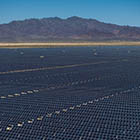
A New Vision for Public Lands
Policy debates around public lands point to larger unresolved questions about the nature and function of the public trust. What should we do with this national resource at a moment of major transition?
Policy debates around public lands point to larger unresolved questions about the nature and function of the public trust. What should we do with this national resource at a moment of major transition?


The borough’s arson wave in the 1970s was caused by financial forces and political priorities that continue to hold power in New York City.

Rebuilding government decision-making power requires not just removing veto points, but also addressing the outsized corporate power that gives the wealthy the best access to policymakers.

As a species, we produce gardeners, devoted caretakers, and also arsonists.

We must reimagine our disaster risk finance system so it reduces exposure and provides protection fairly.
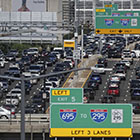
Government highway agencies have enabled the blatant falsification of traffic model results. Consequently, the United States wastes billions on road expansions that fail to cure congestion and make it harder to get around without a car.

The DNC showed a party that has successfully metabolized movement energy and insurgent campaigns while distancing itself from demands deemed harmful to its electoral prospects.

The UAE, host to the latest UN climate conference, showcases the vices that need to be vanquished if we’re going to have anything approaching a green society.

In The Rig, the connections between the workplace dangers of oil drilling and the existential peril of climate change come into chilling focus.

By positioning itself as an expert partner in international climate efforts, GE gains access to developing economies, propping up a system that pushes countries deeper into debt and increases their reliance on unsustainable fuels.

The climate left needs to move beyond the question of which technologies are good or bad and focus instead on how we implement them.

Global climate institutions have embraced the primacy of capital, private firms, and markets—and in so doing have fatally undermined their own efficacy.

Relying on the private sector to decarbonize is a recipe for abandoning workers.

Ecological crisis, rural deindustrialization, and real estate speculation have created conditions in which the far right thrives.

In The Great Escape, Saket Soni recounts how he organized a group of Indian migrant workers to free themselves from a human trafficking scam and hold their captors accountable.