Britain’s Blindness
How did “national liberation” become a rallying cry in what was once the world’s largest empire?
How did “national liberation” become a rallying cry in what was once the world’s largest empire?

What did the L.A. teachers win? UTLA bargaining committee chair Arlene Inouye joins us to talk about the contract.

Xi Jinping has consolidated power to a degree not seen since the days of Mao. But the rigid system over which he presides may be more fragile than it seems.

Thousands of asylum seekers living in shelters at the U.S.-Mexico border face an uncertain future. Thousands more are heading north. A report from Tijuana.

Today’s backlash against intellectual life cannot simply be written off as a popular celebration of mindlessness.

Los Angeles teachers showed bargaining for the common good could win. Their next challenge: changing California’s regressive tax policies.

Wright will be remembered as an iconic thinker who embodied the socialist vision that he worked so hard to bring forth.

In the nearly fifteen years since it took power, the Uruguayan left has enjoyed broad legislative and economic success. But now its momentum may be stalling.

Economists Posner and Weyl’s book Radical Markets attempts to make sense of the current moment and propose a way out, but their unorthodox proposals come up short.

A forced exodus haunts a border town’s past. Can a new documentary force a reckoning?

The refugee camp and its inhabitants at Piraeus Port, where Plato set the Republic, evoked a fundamental political quandary: who is included in democracy and who is left out?

Charity fosters hierarchy, empowers the wealthy, and undermines democracy.

A report from the picket line.
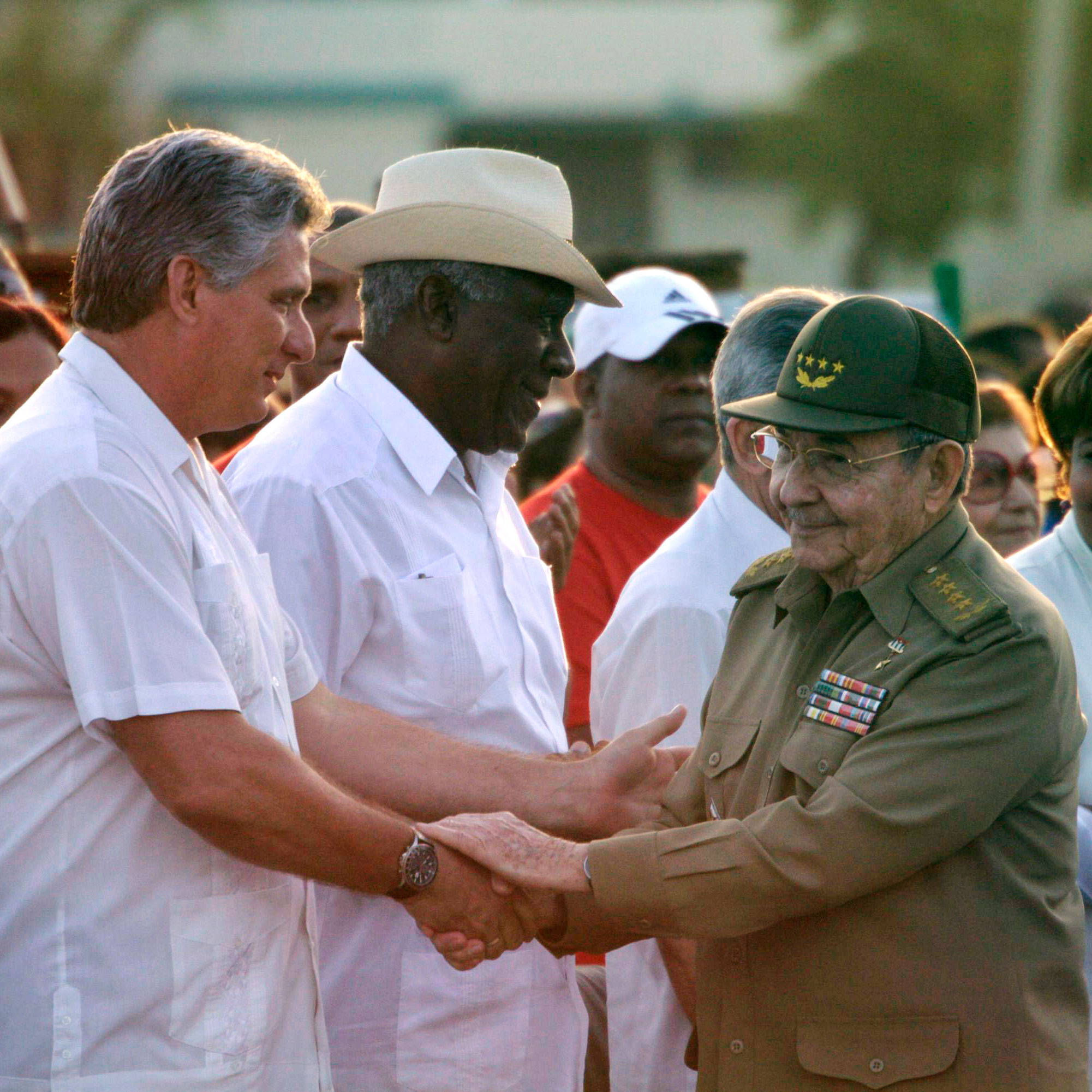
If the Cuban government focuses solely on economic reforms and limits political reform to cosmetic or ineffectual changes, it will be like cast iron: hard but brittle.

Olivia Laing’s novel Crudo is a tragicomic monument to our hyper-atrophied attention spans.